In India’s rapidly evolving rewards and loyalty-landscape, something interesting is unfolding: consumers are increasingly favouring experiential rewards — such as travel, dining, lifestyle and immersive moments — over straightforward cash or discount-offers. As we move into 2026 and beyond, this shift has deep implications for brands, marketers and loyalty architects. Let’s dig into why this change is happening, how Indian consumers are responding, and what brands should do to stay ahead.
Why the Shift from Cash to Experience
There are multiple forces at play driving the preference for experiences over cash-oriented incentives in the Indian market.
Emotional & memory value
Experiences create stronger emotional tie-ins than mere cash or discounts. Research shows that rewards tied to experiences evoke richer emotional responses, endure longer in memory, and foster stronger connection to the brand.
For instance, a large survey in India found that nearly 78% of consumers said they expect more than just discounts; they prefer experience-led rewards (such as dining, travel or event-based perks) over simple price-cuts or cashbacks.
Lifestyle & generational change
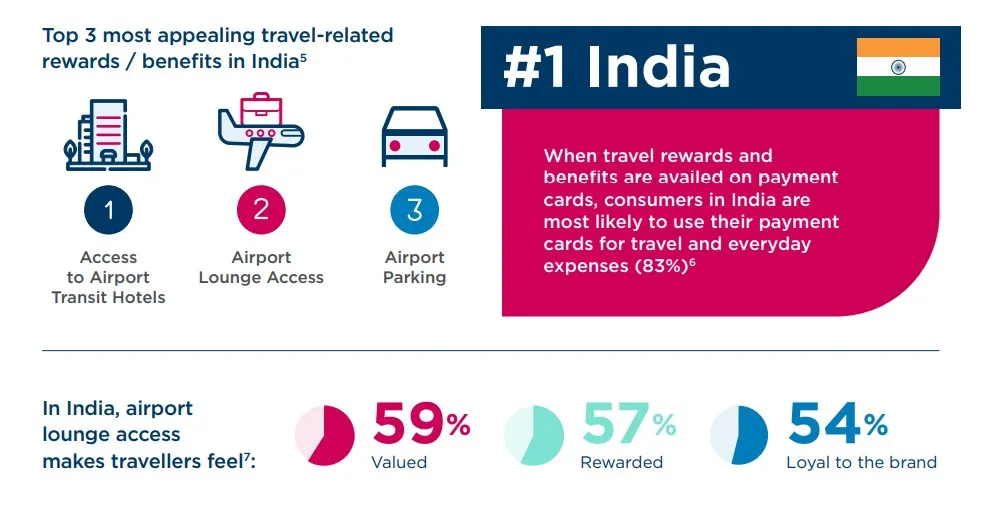
Younger consumers (Millennials and Gen Z) place higher value on “what I do” rather than “what I buy”. In India, a report by Collinson found 83% of Indian consumers embrace travel-related or experiential rewards when offered by card/payment programmes.
This indicates a clear inclination towards access, privilege, and memorable moments rather than just financial incentives.
Saturation & discount fatigue
In the Indian market, discounts, cashback offers and price-cuts have become very common — reducing their novelty and motivational power. Consumers now expect something more unique. For example, the “A new festive equation” report highlighted that consumers are looking for rewards that are “purposeful, memorable and beyond price”.
Social currency & share-economy
Experiences provide story-moments, shareable content and social validation: a travel-reward, an exclusive event pass, a premium dining outing — these are things people talk about, show off, and value as part of identity. Cash, while useful, doesn’t provide that same “moment”.
How Indian Consumers Are Responding
Understanding how this trend is showing up in real behaviour helps brands design programmes that resonate.
-
A survey conducted by Twid (India’s rewards-payment network) found that earning points for future discounts or unique rewards (80%) was more favoured than simple cashbacks (66%) among their participants.
-
The BigCity “Festive 2025” research revealed that among Indian consumers, 56% said they’d choose an experience-led reward rather than a cash/discount-offer.
-
The Collinson study (2023) showed Indian consumers taking ten or more trips per year placed higher value on experiences, and those were more likely to participate in loyalty programmes tied to experiential rewards.
These indicators collectively suggest: Indian consumers are ready for rewards programmes built around experiences, provided those programmes feel relevant, accessible and meaningful.
What Brands Need to Do: Designing Experiential Rewards Programmes
For marketers in India, pivoting from cash-centric to experience-centric reward strategies requires thoughtfulness. Here are key steps:
1. Understand your consumer profile & life-stage
Experiences that appeal differ: a young urban professional may value a gourmet brunch + premium movie screening; a family in a tier-2 city may value a weekend getaway voucher. Tailor by income, region, aspirations.
2. Make it personal and relevant
Generic “one size fits all” rewards won’t hit home. Experiential rewards must align with the consumer’s interests and lifestyle. Research shows experiential rewards are emotionally evocative when they match the participant’s context.
3. Seamless digital activation & redemption
In India, expectations around ease are high. Rewards must be earned and redeemed effortlessly. The “new festive equation” report emphasises that smart redemption (pre-filled forms, auto-applied vouchers) raises participation.
Mobile-first design, minimal friction, and clear communication are key.
4. Build brand-story and emotional connection
A reward experience isn’t just about the headline (“win a trip”) but about how the consumer feels: “This brand knows me. I’m valued. I’m gaining something memorable.” Brands should craft a narrative around the reward, not just the value.
5. Deliver immediacy and visibility
While experiential rewards often require planning (event ticket, travel voucher), brands should create near-term wins and visible perks: “exclusive lounge access”, “meet & greet”, “premium screening” etc. These bolster the brand-experience sooner rather than later.
6. Measure behavioural uplift
Track not just redemption, but incremental visits, share of wallet, referrals, brand sentiment. Are consumers more likely to return? Do they talk about the brand? Are they sharing the experience? These are stronger metrics than just reward counts.
7. Respect margin and manage cost
Experiences can cost more than simple cash rebates, so programmes must balance cost vs. value delivered. Target the rewards to high-value segments, tier the offering, and ensure brand equity gains justify investment.
Looking Ahead: Trends for 2026 & Beyond
Here are emerging dynamics in experiential rewards in India for upcoming years:
-
Hybrid experiences: Mix of digital + physical. For example, virtual events + real-life meetups, gamified experiences that lead to offline redemption.
-
Micro-experiences: Not every reward has to be a full-blown vacation. Short, localised experiences (day spa, special dining, immersive workshop) build engagement and are more scalable.
-
Sustainability & purpose-led experiences: Consumers increasingly value experiences that align with their values — e.g., eco-travel, wellness retreats, cause-based events. The Collinson study noted interest in ESG-linked rewards.
-
Regional & tier-2/3 focus: As Indian consumption spreads beyond metros, designing experiences relevant for smaller cities (local adventure, cultural events, domestic travel) will be vital.
-
Integrated loyalty ecosystems: Rather than isolated campaigns, brands will build loyalty platforms combining transactional rewards + experiential layering, letting consumers choose how to redeem.
-
Social and shareability built-in: The reward experience will be designed for sharing (photos, stories, community) to amplify brand reach.
Case Snapshot (Hypothetical)
Imagine a lifestyle brand in India launching a loyalty campaign:
-
Tier 1: “Premium Movie Night” — access to new release + gourmet snack combo
-
Tier 2: “City Photowalk & Dinner Experience” — curated photowalk + chef’s table dinner
-
Tier 3: “Weekend Getaway Voucher” — stay-cation in a luxury resort + wellness package
Consumers earn points via purchases; redemption is in-app. Social sharing tools built-in. The emotional value of these experiences elevates brand perception far more than a simple -₹500 cashback would.
Conclusion
In 2026 and beyond, the mantra for brands in India is clear: “Give an experience, not just cash.”
The data speaks: Indian consumers, especially younger and value-driven ones, are turning away from plain cash rewards and leaning into experiences — that emotion, memory, shareability and brand connection count for more.
For marketers, the opportunity is rich: by designing personalised, aligned, digital-enabled experiential rewards, brands can build deeper engagement, differentiate in a crowded marketplace, and foster loyalty that lasts.